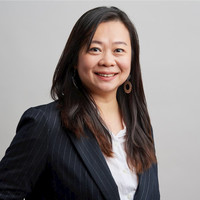

Every community has people who create opportunities for others to be seen, heard, and valued. For Singapore’s Deaf community, Lily Goh is one of those people.
Who is Lily Goh?
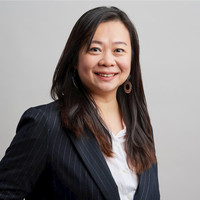
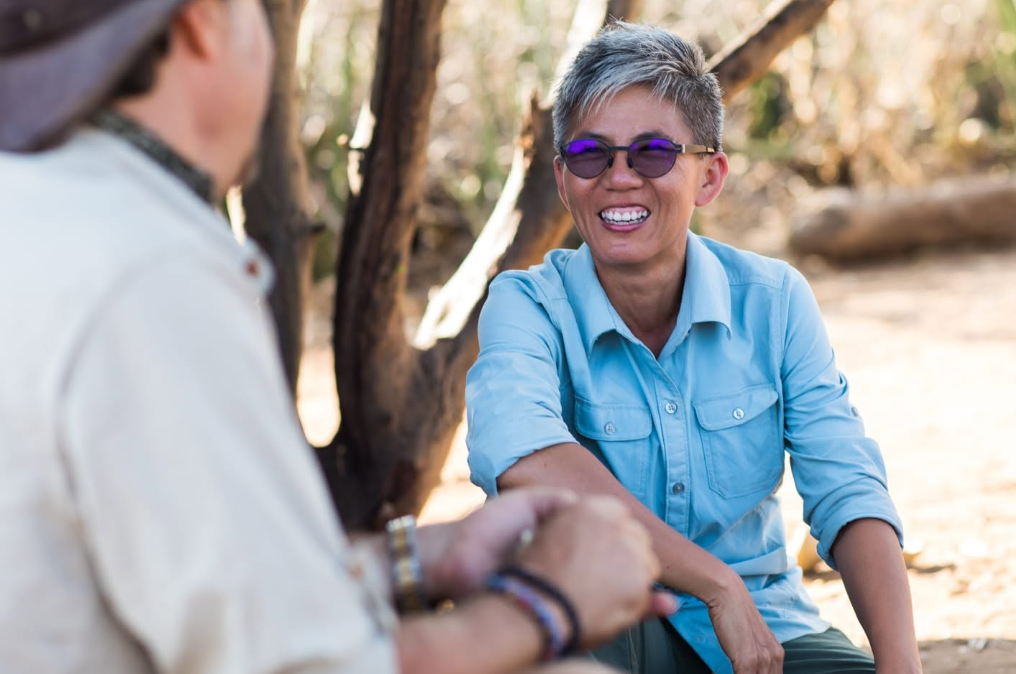
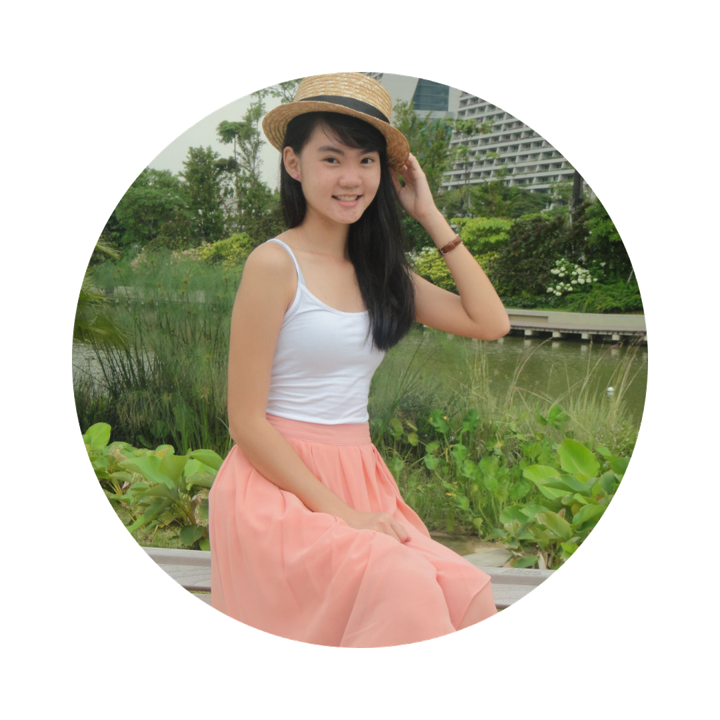
Lily Goh is a Deaf Arts and Music Practitioner-Artist, a Singapore Sign Language (SgSL) teacher-facilitator, live streamer on TikTok and an advocate for the Deaf community. She is also the founder of the social enterprise ExtraOrdinary Horizons. With a passion for creativity and an unwavering commitment to empowering the Deaf community, Lily has spent years breaking barriers and creating Deaf artistry & music in Singapore and beyond.
More Than Awareness
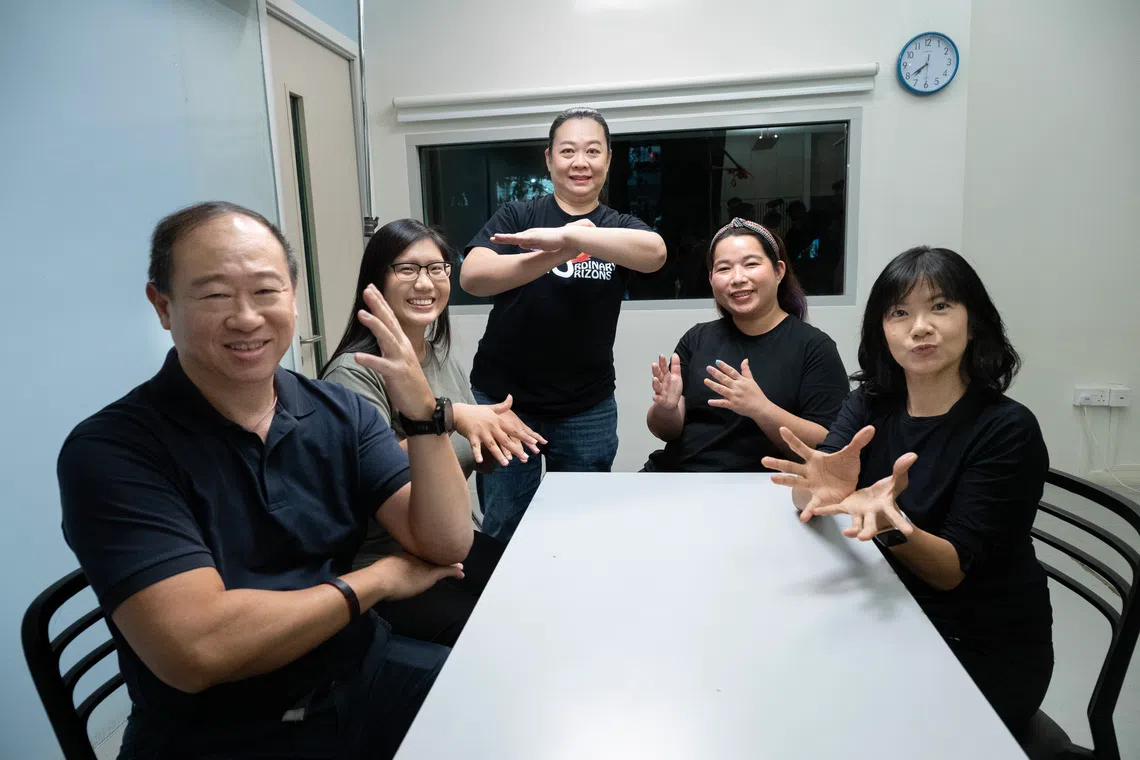
For Lily it was not just about awareness, but about authenticity. She realised that many people were learning sign language, but often not from Deaf educators and not in ways that truly reflected Deaf culture.
This became even more personal when her eight years of teaching sign language were not recognised as professional work and were instead treated as voluntary. Creating ExtraOrdinary Horizons was Lily’s way of changing that. It allowed her to formalise her work, reclaim its value, and build something rooted in Deaf perspectives. It also marked a milestone in her academic journey, as she became the first Deaf person to graduate from the Sociology programme at SUSS in 2020, with a Bachelor of Sociology and a minor in Communication.
Language, Identity, and Ownership
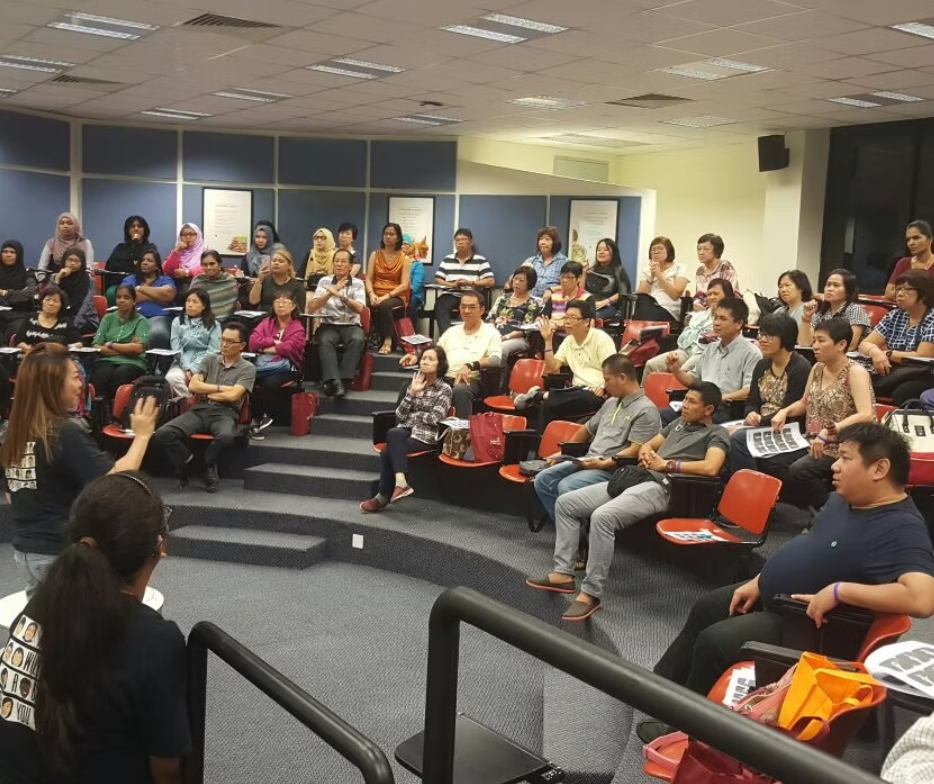
Lily’s path was not shaped by a single mentor. Instead, it was driven by her passion for sign language, Deaf arts, and community advocacy. At the same time, observing how Deaf communities in other parts of the world have progressed made her reflect on what is still lacking in Singapore and strengthened her commitment to contribute locally. The need for this work is clear. For years, sign language education in Singapore has been shaped by Signing Exact English (SEE2) rather than Singapore Sign Language (SgSL), the language that truly belongs to the local Deaf community. For Lily, this is not just about language, but also about identity, culture, and ownership.
Her experiences in the arts reinforced this further. In performances, Deaf audiences often connect more deeply when interpretation is led by Deaf practitioners. It is not only about access. It is also about authenticity and representation.
Creating Space Against the Odds
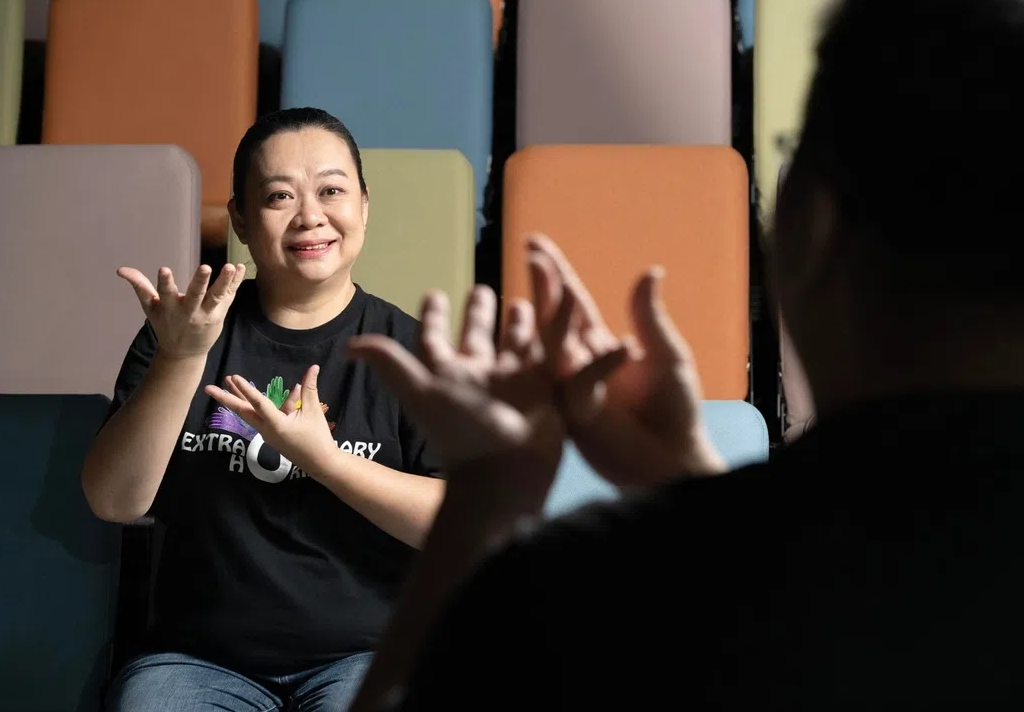
The journey has not been easy. As a Deaf person, Lily navigated mainstream secondary school, polytechnic, and university without consistent access to sign language support. This often meant working harder to navigate environments that were not designed with Deaf people in mind. She also faced challenges in having her work recognised. Despite spending years teaching sign language, her contributions were not always treated as professional work, reflecting a broader tendency for Deaf educators and practitioners to be undervalued.
Rather than discouraging her, these experiences strengthened her sense of purpose. They reinforced her commitment to creating spaces where Deaf people are recognised not only as participants, but as educators, artists, leaders, and changemakers.
Building ExtraOrdinary Horizons
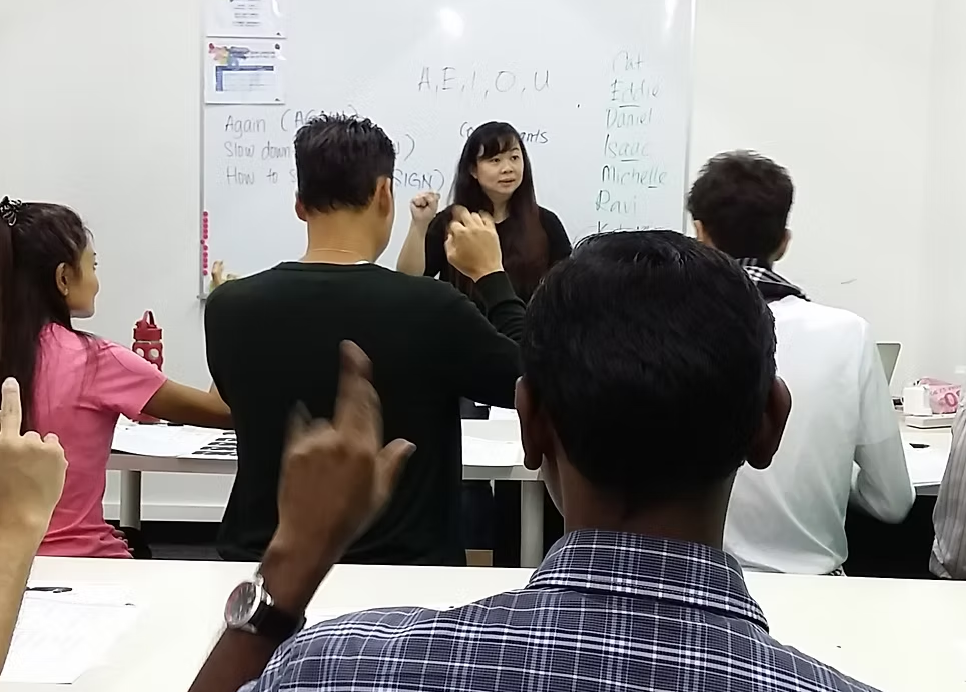
What sets ExtraOrdinary Horizons apart is that it is Deaf-led. In a space where many organisations are still led by hearing individuals, Lily’s work centres Deaf voices from within the community. It also brings together sign language education, Deaf awareness, and Deaf performing arts such as music, storytelling, and Visual Vernacular, a visual storytelling art form that uses movement, facial expressions, and space to convey meaning. Many of the programmes are designed for hearing participants. The goal is not simply to raise awareness, but to cultivate stronger allyship. Rather than focusing only on teaching Singapore Sign Language (SgSL), Lily encourages participants to develop a deeper understanding of Deaf culture, communication, accessibility, and the everyday experiences of Deaf people.
Communicating Differently
What made this conversation especially memorable for me was not just what Lily shared, but how we communicated. Because she is Deaf, we spoke through text messages on our phones during the conversation. At first, I thought it might feel distant or formal, but it quickly became something very different. There was an unexpected intentionality, where every question and response carried more weight because it had to be written and carefully understood. It made me realise how easily we take spoken communication for granted. Even simple exchanges required more patience and more clarity. In many ways, it made the conversation feel more thoughtful. There was space to pause, reflect, and really consider what was being said before responding.
Lily’s Vision
Looking ahead, she hopes to see stronger Deaf representation, more leadership, and wider recognition of Singapore Sign Language (SgSL) in Singapore. Her vision is a future where Deaf people are recognised not through limitation, but as educators, artists, and changemakers in their own right.
Start With Humility
At its core, Lily’s message is simple: start with humility and stay open to learning. Inclusion is not about assuming you understand someone else’s experience. It begins with listening, observing, and creating spaces where people feel respected, included, and able to participate fully.
She also challenges the way Deaf people are often perceived. Rather than viewing Deaf people through a lens of limitation or charity, Lily encourages others to recognise the language, culture, creativity, and lived experiences that shape the Deaf community. For those interested in learning sign language, her advice is clear: learn from Deaf educators. Language cannot be separated from the people and culture it belongs to.
Above all, Lily believes that allyship is not about being perfect. It is about being willing to learn, make mistakes, and continue growing with sincerity and responsibility.
What stayed with me most was not just her story, but the experience of communicating with her in a different way. It reminded me that communication is not only about words, but about effort, attention, and the willingness to meet someone where they are.
To learn more about Lily and her work, you can find her information on her Linktree: Lily’s linktree
This is part of a series called People Behind Purpose, where we sit down with changemakers in A Good Space to discover more about their work, build deeper connections, and gain fresh perspectives on creating social impact.
Through these conversations, we hope to share our experiences, reflections, and key takeaways so that others can be inspired by the journeys and insights of those driving change in our community.
If you enjoyed what you read, consider subscribing to our newsletter for updates whenever we post a blog, on top of getting some exclusive ideas, events and opportunities to create social change!
If you are curious to learn more about the A Good Space community, learn more here: bit.ly/agschangemakers!
Written by Ye Weixuan – [Programmes and Community Engagement Intern]