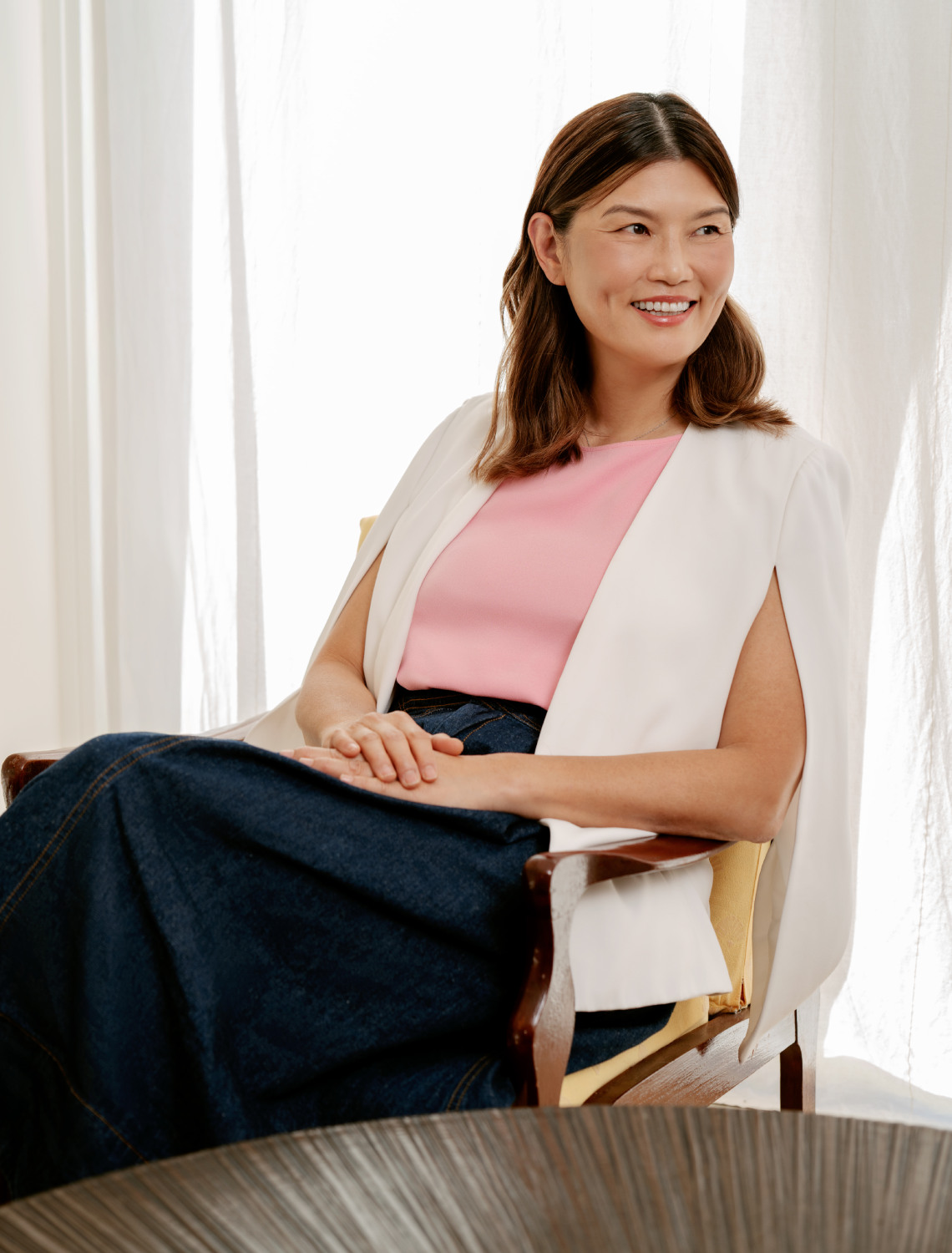

Teaching shares knowledge. Facilitation creates the conditions for people to discover their own. Dean Ng shares why she chose to become a facilitator, how her experiences transformed her understanding of health and community, and why helping others discover their own path is the most meaningful work of all.
Who is Dean Ng?
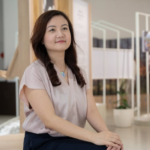
Dean Ng is the co-founder of The Affirmative People and The Facilitators’ Project, a health coach, and a member of A Good Space Co-operative (AGS). Formerly a police officer, Dean transitioned into education and health coaching after personal health struggles led her to seek a more meaningful way to contribute to society. She now focuses on community health and one-on-one coaching, helping individuals grow at their own pace.
Beyond her professional roles, Dean describes herself simply as someone who loves animals and nature. She laughs that animals are “far less complex than humans,” but behind that lighthearted remark lies a philosophy that has guided much of her life: whatever she does must be both fun and meaningful. While financial stability matters, it is no longer the driving force behind the work she chooses.
A Life Beyond the Uniform
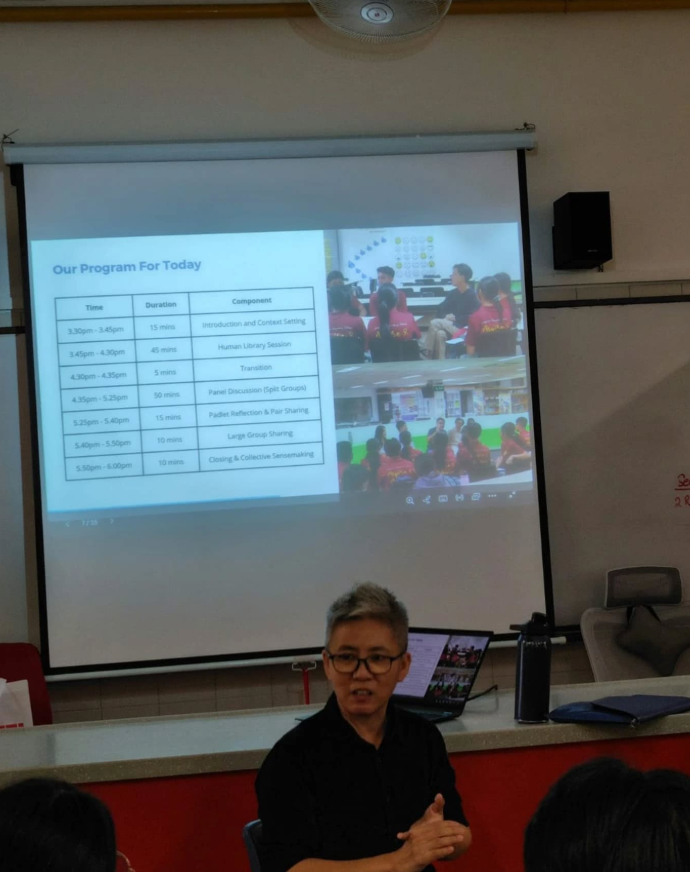
Dean’s career began in the Singapore Police Force, where she eventually moved into leadership – training and mentoring younger officers. Although she found fulfilment in developing people, persistent health issues forced her to pause. When conventional treatments failed to provide answers, Dean decided to return to school to better understand health herself. What began as a personal search for healing gradually evolved into something much bigger. Working closely with people from different walks of life also changed how she viewed society. She realised that life was rarely as black and white as it first appeared. Rather than remaining in a career centred on enforcement, she found herself drawn towards education, coaching and community work.
She believes failure is never the final destination. Circumstances change, people grow, and as long as we continue learning, we always have the opportunity to reshape our future.
From Teacher to Facilitator
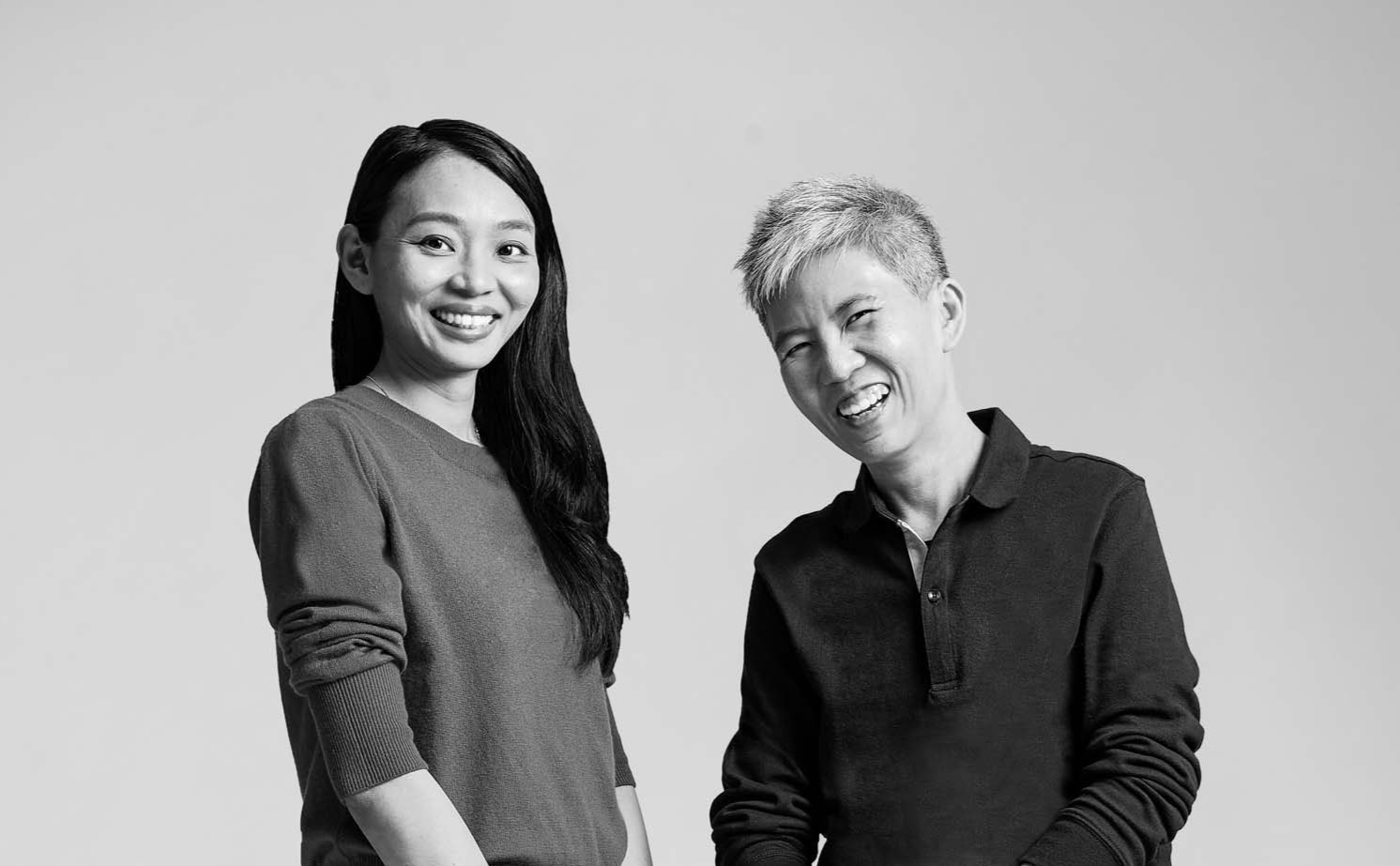
Although Dean teaches in many settings, she prefers to describe herself as a facilitator because the term better reflects how she believes people learn and grow. When she and her team first began supporting children’s homes through pet therapy, they quickly realised the children needed far more than occasional activities. They wanted to support the children’s growth beyond individual programmes, but limited funding made that difficult. That experience eventually led to the creation of The Facilitators’ Project. The name was carefully chosen. As Dean explained, a teacher often stands at the front to deliver knowledge while others listen. A facilitator, on the other hand, believes that growth already exists within each person. Rather than providing all the answers, a facilitator creates the environment for people to discover their own. This concept now underpins everything she does—from one-on-one coaching through The Affirmative People to community health initiatives that empower individuals to take ownership of their wellbeing and life journeys.
Lessons from Tanzania
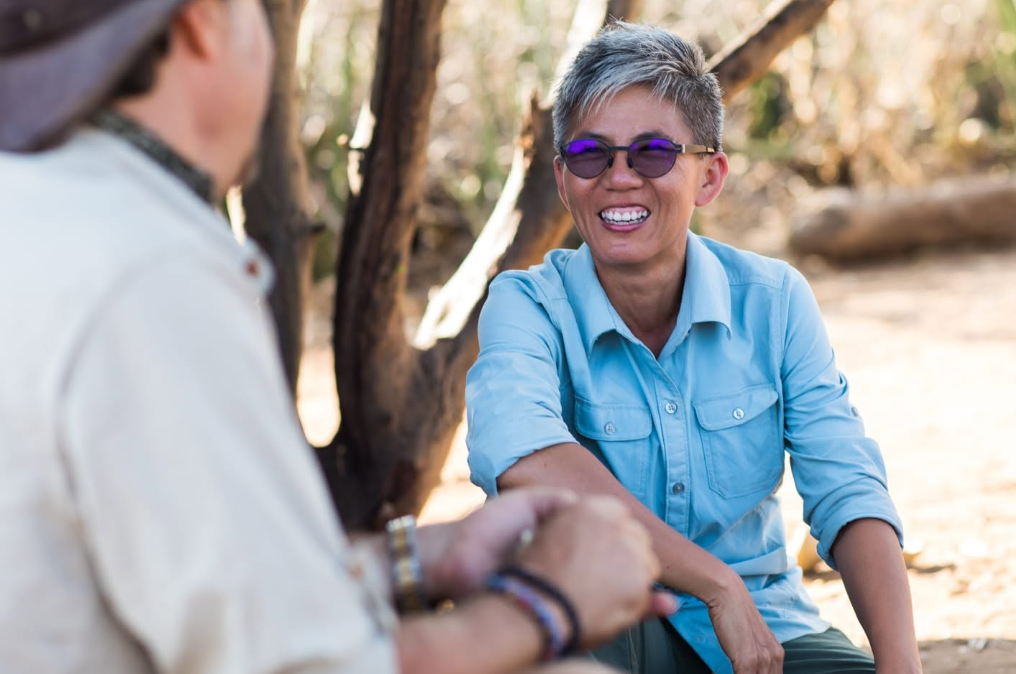
One of Dean’s most transformative experiences came while living with one of the last hunter-gatherer communities in Tanzania. Before arriving, she assumed the community would be struggling with food insecurity and packed supplies to help. Instead, she discovered something unexpected. Food was abundant, if you knew what to look out for.
Living alongside them challenged many of the assumptions she had grown up with. Despite having limited access to clean water, not showering for an entire month and eating without washing her food, she never fell ill. The community possessed one of the strongest gut microbiomes ever studied, reminding her that health is often far more complex than modern assumptions suggest. Perhaps even more eye-opening was their approach to parenting. Unlike many families who instinctively feed children first, adults often ate before the children—not out of selfishness, but survival. The adults needed the strength to hunt, protect and care for the entire community. They also allowed children the freedom to explore, fall and make mistakes, believing confidence is built through experience rather than constant protection. Every adult shared responsibility for raising every child. For Dean, it was a powerful reminder that many things we assume are universal are simply shaped by culture and perspective.
Living Without Regret
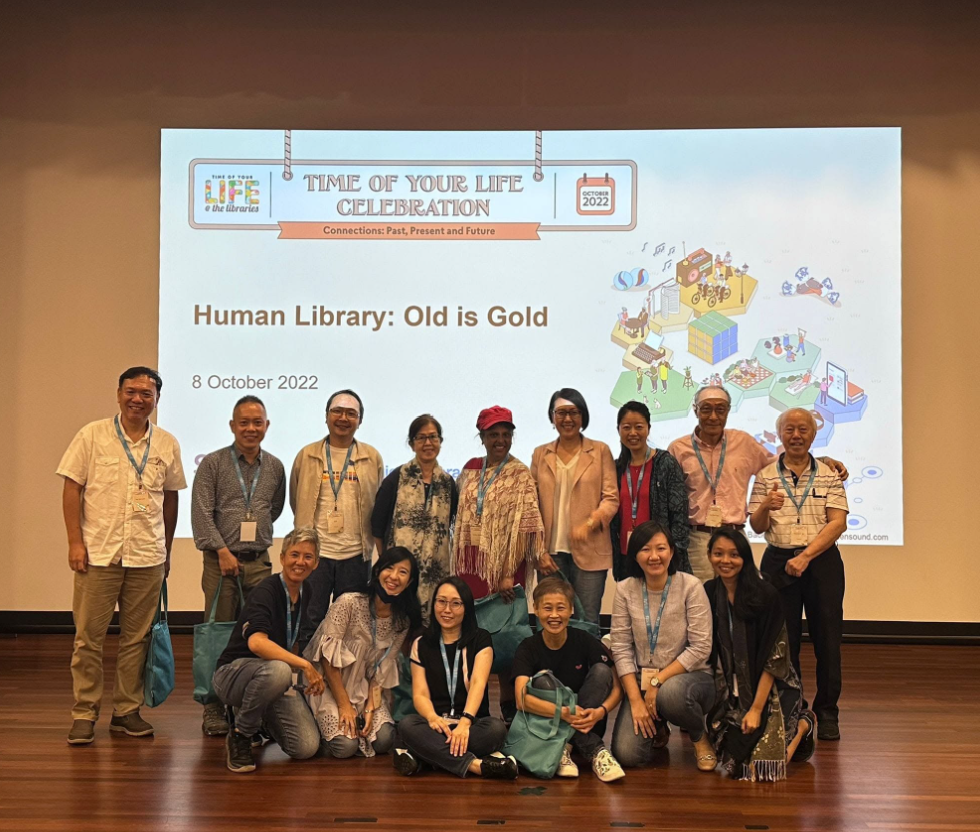
Another experience that deeply influenced Dean came from working alongside palliative care patients. She recalls reading The Top Five Regrets of the Dying and noticing a striking pattern. People rarely wished they had earned more money. Instead, they wished they had spent more time with loved ones, stayed true to themselves, or pursued dreams they had put aside. Watching friends become increasingly disillusioned as they climbed the corporate ladder reinforced this lesson. Many had entered their careers full of purpose, only to find themselves compromising their values in exchange for promotions or pay cheques. Dean isn’t against earning money. After all, money allows us to care for our families and live comfortably. But when financial success becomes our only goal, she believes we risk forgetting why we started in the first place. The same thinking shapes how she views ageing.
Growing older doesn’t mean life becomes smaller. While our bodies may naturally slow down, wisdom, experience and financial stability often increase. The key, she says, is investing in our health early so that when we finally have both time and resources, we’re still able to enjoy the life we’ve worked so hard to build.
Lessons from Dean
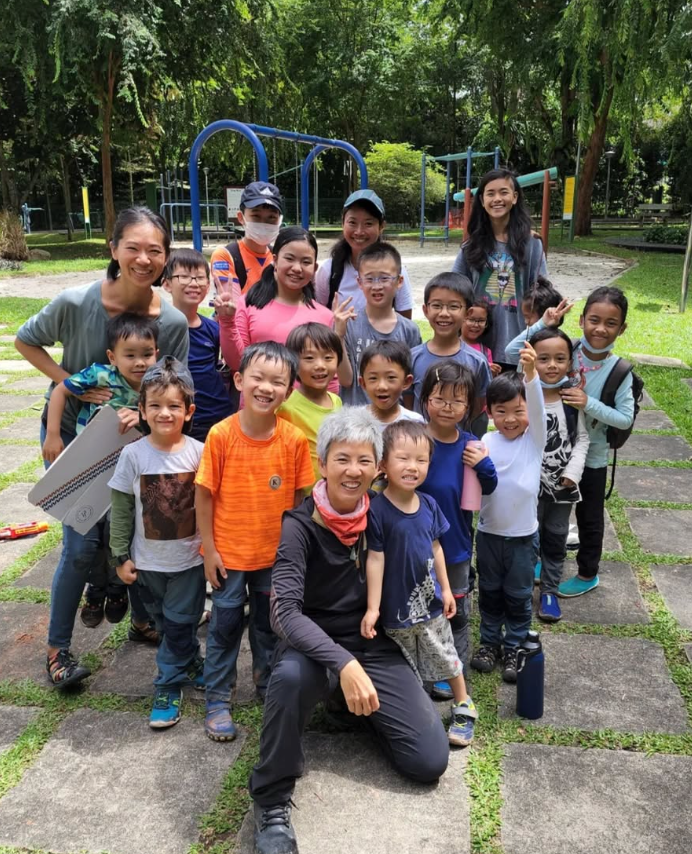
Dean’s involvement in A Good Space reflects the same philosophy that guides the rest of her work. She appreciates the diversity of the community and sees her role not as leading every initiative, but identifying gaps where she can contribute. Since relatively few members focus on community health, she naturally found her place there. She also acknowledges that engagement within a diverse community isn’t always easy. Rather than expecting everyone to rally around the same cause, she believes people should come together when their passions naturally align. Sometimes meaningful change begins not with large movements, but with smaller communities united around a shared purpose.
When I asked Dean what advice she would give to young people trying to figure out their future, her answer was simple:
“What is really important to me?”
At first, it seems like a straightforward question, but it carries a deeper philosophy. Dean compares our minds to a cup. If your cup is already full—perhaps with exams, work, or family responsibilities—trying to pour in everything else will only lead to burnout. Rather than chasing every opportunity, she encourages us to focus on what truly matters: the problems that keep us awake at night and the causes we genuinely want to solve. While occupations may change, especially in an age of rapidly evolving technology and AI, the purpose that drives us can remain constant. By understanding what matters most to us in each stage of life, we can make choices that are both meaningful and sustainable.
Final Reflections
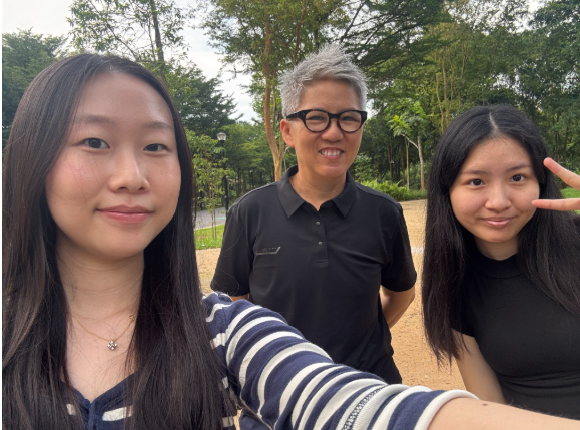
What stayed with me most wasn’t simply Dean’s career transitions, but her willingness to continually reinvent herself without losing sight of what mattered. Throughout every stage of her life, one question remained constant: How can I contribute in a way that is both meaningful and true to my values?
Dean reminded me that purpose isn’t something we discover once and hold onto forever. It evolves as we grow, encounter new experiences and understand ourselves more deeply.
Today, Dean brings together health coaching, facilitation and experiential learning to help people thrive. Guided by her belief that health is more than the absence of illness, she designs experiences that nurture all seven dimensions of health, empowering individuals, schools, organisations and underserved communities to take ownership of their wellbeing, discover their strengths and contribute meaningfully to the world around them.
Perhaps that’s what facilitation is ultimately about. Not showing people the path, but creating the space for them to find it themselves.
To find out more about Dean, you can connect with her on LinkedIn or Instagram @coachdeanng. You can find out more about The Affirmative People on their website, LinkedIn or Facebook. You can also find out more about The Facilitators’ Project on their LinkedIn and Facebook.
This is part of a series called People Behind Purpose, where we sit down with changemakers in A Good Space to discover more about their work, build deeper connections, and gain fresh perspectives on creating social impact.
Through these conversations, we hope to share our experiences, reflections, and key takeaways so that others can be inspired by the journeys and insights of those driving change in our community.
If you enjoyed what you read, consider subscribing to our newsletter for updates whenever we post a blog, on top of getting some exclusive ideas, events and opportunities to create social change!
If you are curious to learn more about the A Good Space community, learn more here: bit.ly/agschangemakers!
Written by Ye Weixuan – [Programmes and Community Engagement Intern]