
Education should do more than prepare people for exams. It should equip them to navigate uncertainty, adapt to change, and contribute meaningfully to society. Louis Puah shares how his observations of Singapore’s education system inspired him to rethink the way people learn, why creating opportunities for authentic growth matters more than following conventional paths, and how empowering individuals to take ownership of their learning can shape a stronger community.
Who is Louis Puah?
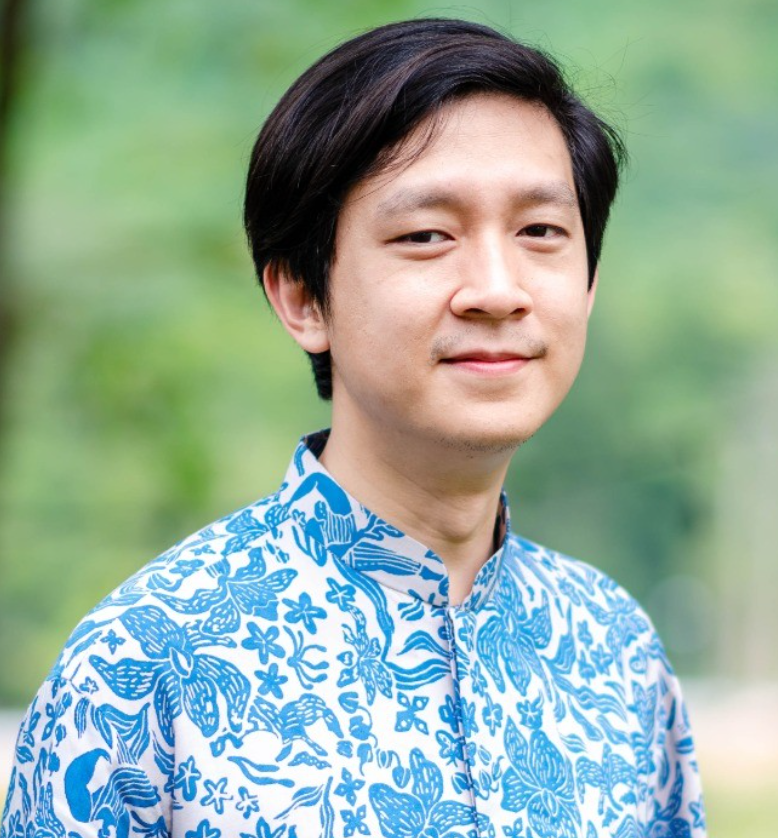
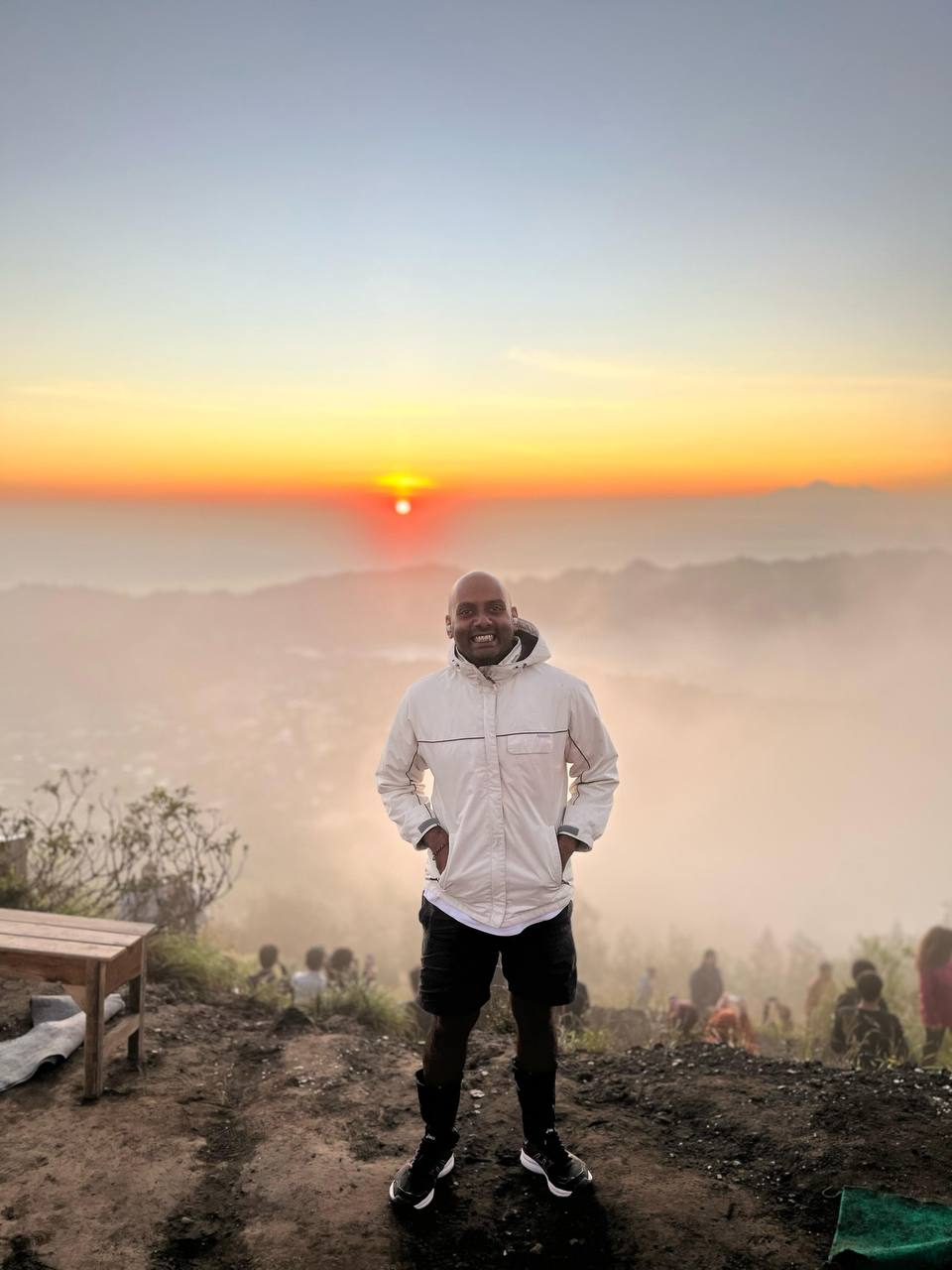
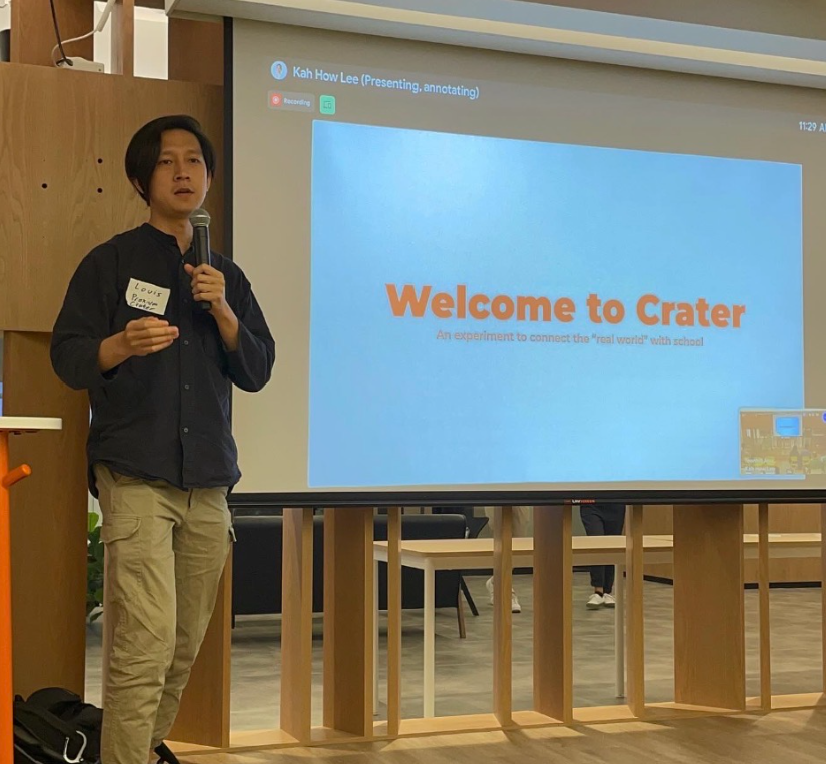
Louis Puah is the founder of Praxium and Crater, and a member of A Good Space Co-operative (AGS). Driven by a belief that education should prepare people not only for work but also for life, he founded Praxium to help young people discover meaningful careers and develop future-ready skills. Recognising that lasting change also requires transforming the environments where learning takes place, he later established Crater to work alongside schools in creating more authentic, experience-based learning ecosystems.
For Louis, meaningful learning happens beyond classrooms and textbooks. Through his work, he encourages young people to step outside prescribed paths, embrace curiosity, and create opportunities for themselves rather than waiting for them to appear. Guided by values of authenticity and personal responsibility, he believes that people should strive to “be the change” they wish to see by aligning their actions with their beliefs and having the courage to chart their own path.
Looking Beyond Grades
When I asked Louis what inspired him to start Praxium and Crater, he didn’t begin by talking about business or entrepreneurship. Instead, he reflected on Singapore’s education system. Although Singapore is often recognised as having one of the world’s best education systems, Louis questioned whether academic excellence alone was enough. He shared that despite producing capable students and workers, many people still feel burnt out, uncertain about their future, and disconnected from their communities.
“If our education system is so successful,” he questioned, “why doesn’t society reflect that success?”
He believes education has become too focused on preparing students to perform academically and enter the workforce, rather than helping them become adaptable, responsible and curious individuals who can thrive in an ever-changing world. Even years ago, Louis was already thinking about how artificial intelligence, technological advancements and global changes would reshape the future of work. Yet, he felt education was not evolving quickly enough to prepare young people for these realities. This became the foundation of Praxium. Knowing that Singaporeans are generally pragmatic, Louis shared that Praxium initially focused on career readiness.
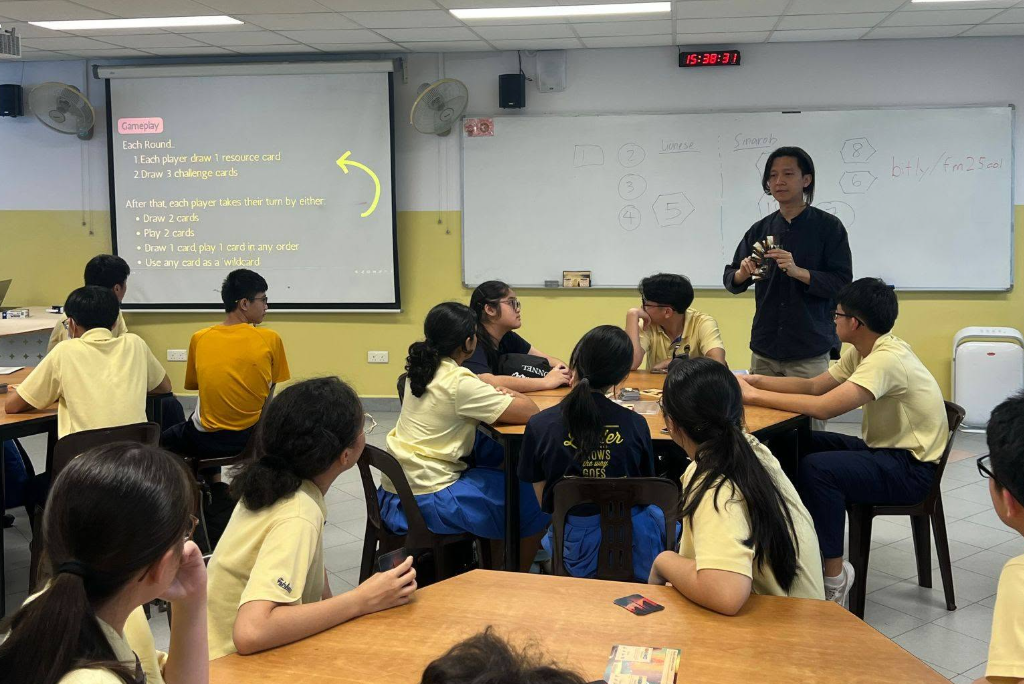
Helping young people discover meaningful work became a practical entry point before introducing deeper conversations about character, curiosity and purpose. However, as he worked with more students, he realised another challenge remained. Even if teenagers were inspired to become entrepreneurs, programmers or creators, they still returned to an education system driven by tuition, examinations and grades. That realisation led to the creation of Crater. Instead of only preparing students for the future, Crater seeks to reshape the environments where learning happens by creating schools that encourage experimentation, reflection and authentic experiences.
Learning Through Experience
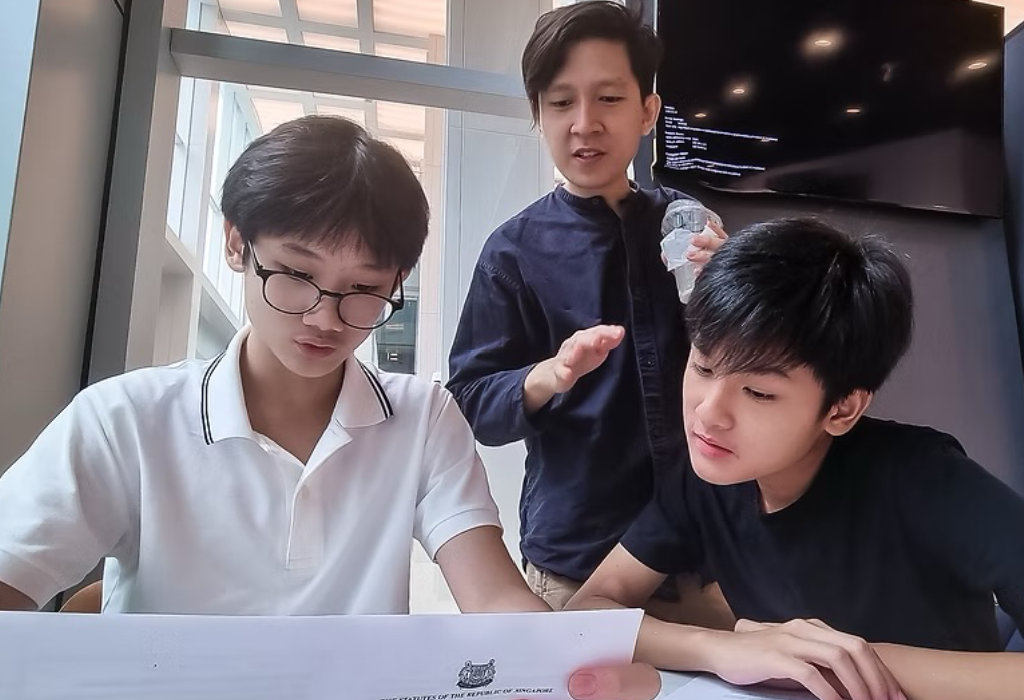
One idea that resonated with me throughout our conversation was Louis’ belief that meaningful learning happens through experience rather than repetition. As someone currently on an internship, I shared with him that much of what I learnt in school did not directly prepare me for the workplace. Louis agreed, not because schools need to teach everything, but because students are rarely given opportunities to adapt. He explained that making mistakes, solving unfamiliar problems and reflecting on those experiences are what truly develop transferable skills. He shared an example from Crater, where students cooked together for community activities.
Ironically, many students told him they had cooked more during just a few weeks with Crater than they ever had in school. The difference wasn’t simply cooking. It was having the freedom to make decisions, try new ideas and learn through doing instead of following fixed instructions.
Louis also pointed out that while students are often assigned group projects, they are rarely taught how to run meetings, facilitate discussions or document conversations effectively. These seemingly simple workplace skills are often learnt only after entering the workforce. Listening to him, I realised his vision wasn’t about adding more subjects into education. It was about changing how learning takes place altogether.
The Challenge of Doing Things Differently
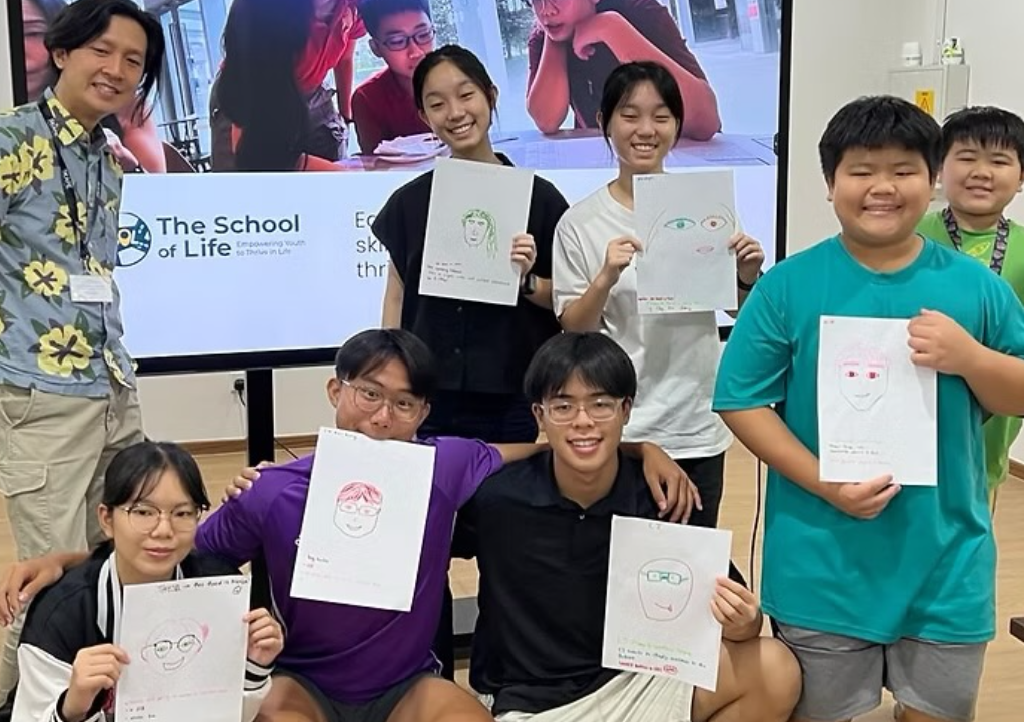
Innovation, however, comes with its own challenges. When I asked Louis about the obstacles he faced while building Praxium and Crater, he explained that introducing new ideas in Singapore is rarely easy. Singaporeans, he observed, tend to be open to trying new food, but are far more hesitant when it comes to new learning experiences or unconventional approaches. Because of this, many of Praxium’s early programmes were offered free of charge.
Rather than asking people to trust something unfamiliar immediately, Louis focused on creating opportunities for them to experience it first. He collected feedback and evidence from these programmes to demonstrate their value before asking organisations to invest financially. He also reflected on Singapore’s culture of criticism. Growing up, many people receive more corrective feedback than encouragement.
Over time, this shapes how people respond to new ideas. We become cautious about standing out and even suspicious when someone offers genuine encouragement. His observations resonated with me. As our conversation unfolded, we found ourselves discussing how difficult it can be for people to pursue unconventional paths in a society that often values conformity.
Walking the Talk
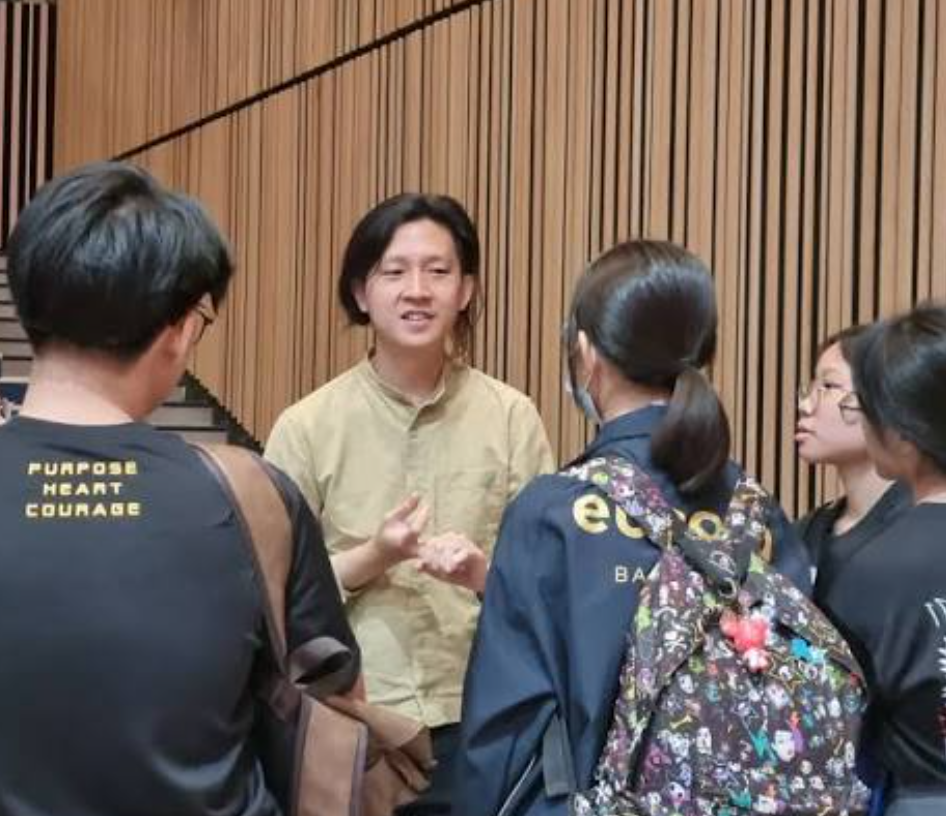
Throughout our conversation, one phrase kept resurfacing: Authenticity. For Louis, authenticity is more than simply being yourself. It means ensuring your actions align with your beliefs. He shared that many people choose careers they know they will not enjoy purely for practical reasons, only to later question the meaning behind their work. While he acknowledges that every career comes with challenges, he believes there is a difference between choosing a struggle that aligns with your purpose and one that doesn’t.
He also challenged the idea of saying everyone deserves equal dignity while behaving differently in practice. If we truly believe every job matters, are we willing to respect every occupation equally? If we believe every child deserves opportunities, are we also investing in communities beyond our own families? For Louis, authenticity requires consistency between our values and our actions. It is about “walking the talk”.
Learning to Let Go
One lesson surprised me the most. Despite believing strongly in creating positive change, Louis admitted that one of his greatest personal lessons has been learning to step back. As a facilitator and leader, he naturally wants projects to succeed. However, he realised that constantly stepping in to fix problems prevents others from growing. Sometimes, allowing people to struggle, make mistakes and reflect on them creates deeper learning than solving the problem for them. It is something he continues learning every day.
Finding Community Through A Good Space
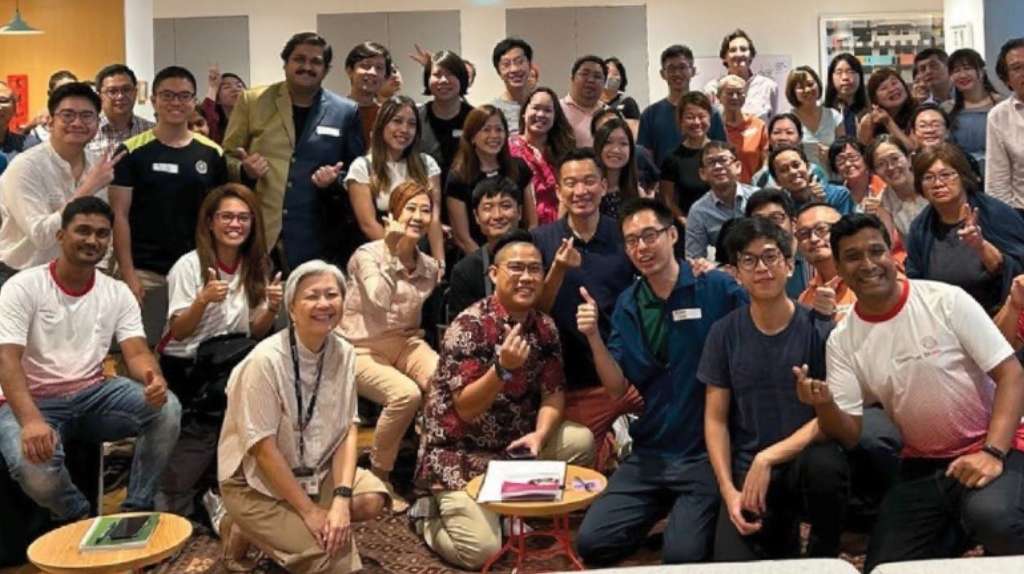
When I asked about his journey with A Good Space, Louis shared that what initially attracted him most was the community itself. Meeting fellow changemakers, hearing their stories and learning from one another were what made AGS meaningful to him. As the organisation evolved, he noticed the focus gradually shifted towards creating products and services. While he understood the need for sustainability, he admitted he missed the opportunities for deeper conversations and meaningful connections that first drew him to the community. In fact, he shared that initiatives like A Good Conversation were partly inspired by his hope that changemakers would have more opportunities to learn from one another again.
Advice for Young People
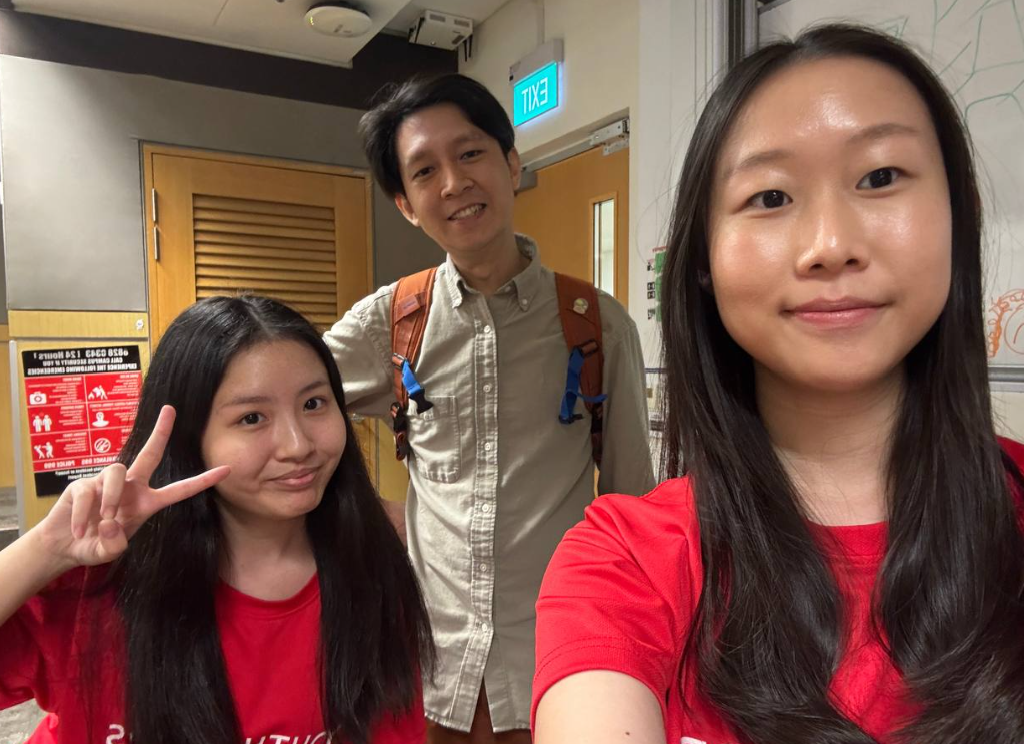
Before ending our conversation, I asked Louis what advice he would give students and interns like us. His response stayed with me. He believes formal education should make up only half of our learning, and the other half should come from experiences we intentionally create ourselves. Whether it is volunteering, starting a project, joining a community initiative or simply exploring interests outside the classroom, these experiences are often where the most meaningful growth happens.
Unlike grades or promotions, these opportunities are largely within our control. Louis encouraged us not to let Singapore’s traditional education pathway become the only route we follow. Instead, he challenged us to create our own side paths—to experiment, explore and discover what truly matters. He ended with an analogy that perfectly captured his philosophy.
Life, he said, is like a buffet. You wouldn’t fill your plate with only one dish without trying anything else first. So why should life be any different? Sometimes, discovering your purpose simply begins with being willing to try.
To find out more about Louis, you can check out his LinkedIn here. To find out more about Praxium, you can find them on their LinkedIn, Instagram and Website. To find out more about Crater, you can find them on their LinkedIn, Instagram, Linktree and Website.
This is part of a series called People Behind Purpose, where we sit down with changemakers in A Good Space to discover more about their work, build deeper connections, and gain fresh perspectives on creating social impact.
Through these conversations, we hope to share our experiences, reflections, and key takeaways so that others can be inspired by the journeys and insights of those driving change in our community.
If you enjoyed what you read, consider subscribing to our newsletter for updates whenever we post an article, on top of getting some exclusive ideas, events and opportunities to create social change!
If you are curious to learn more about the A Good Space community, learn more here: bit.ly/agschangemakers!
Written by Kelly Toh – [Digital Designer & Marketing Intern]